

Do you actually need that lead magnet to market your SaaS?
You spend hours interviewing customers, creating an impressive guide on “the ultimate guide to the state of your industry,” and designing it in Canva. You build the landing page, write the follow-up email, and sit back to wait for the leads to roll in.
A few days later, your salesperson is breathing down your neck asking for their leads. But the only person who has completed the form is your competitor, and so, the inevitable happens: you’re told to realign your focus back to getting more ‘sales-ready’ leads.
Do you actually need a lead magnet?
Lead magnets can be effective marketing tools if you use them in the right way.
Emphasis on that part in bold, kids.
Before we dive into the strategy, let’s ensure we’re on the same page:
A lead magnet is a piece of content designed to capture someone’s interest in your product or service in exchange for their email address and other qualifying information. Part of your B2B content marketing strategy, it often takes the form of a whitepaper, buyer guide, email course, masterclass, or sometimes, a video course.
They’re most commonly used by B2B businesses - think SaaS, professional services, and AI companies - to help educate their audience. They’re more often than not used by companies with a long or complex sales process that requires significant buy-in for their solution (think enterprise solutions or early stage products). A few examples of companies that use them are HubSpot, Intercom, and Deel.
I personally have created lead magnets for campaigns both in-house and on behalf of clients.
Examples include a “State of Tech Recruitment” guide for an enterprise video interviewing tool and a buying guide for a recruitment applicant tracking system. I’ve also created the “Early Stage Startup Marketing Guide” for my own site.
The campaigns that worked really, really well were created in the following contexts.
So, if you’re considering exploring a lead magnet as part of your startup marketing strategy, read on.
How to make lead magnets work for your Software as a Service.
You won’t win a customer immediately – so why use them?!
They don’t work in isolation: they’re not a “build it and they will come” solution
A lead magnet doesn’t have to be a downloadable PDF
You won’t win a customer immediately - so why use them?!
Only 5% of the market is sales-ready. And when I say that, I mean they are ready to “buy.” And by that, I mean they’ve most likely spent the last 3–6 months researching, talking, and comparing possible solutions.
The chance of you shoehorning your untested software at the last moment? Wishful thinking, buddy.
The problem - or rather, the reason so many people say lead magnets don’t work—is that they don’t understand where lead magnets actually sit in the buying timeline.
Many people assume that if you create a lead magnet and a prospect downloads it, they must be ready to talk to a salesperson. That’s not the case.
A lead magnet sits earlier on in the problem-aware or solution-aware stages, as demonstrated below. At this point, people respond best to indirect marketing. They don’t want to be sold to—they want to go on their merry way, identify the actual problem they need to solve, and do their research.
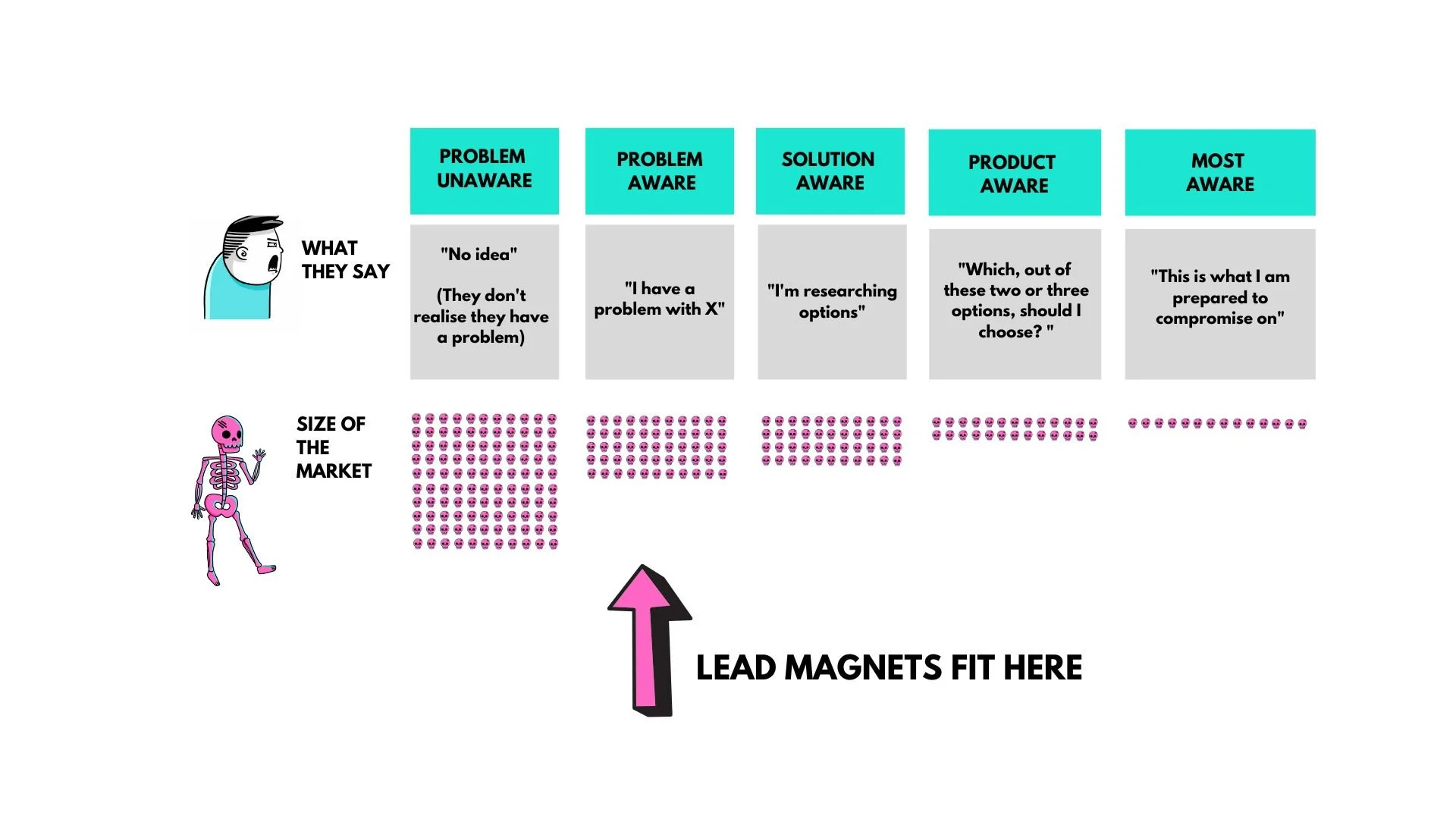
The aim of the lead magnet, therefore, is to get on your prospects’ radar ASAP and help start building a pipeline of engaged prospects.
Of course, this isn’t the only aim. Once someone downloads your resource and opts into your newsletter, there are plenty of other benefits. But remember, we are not selling.
If you’re a new business or entering a new market, it’s important to establish value from the start. You can’t just sell to people immediately - and a lead magnet helps bridge that gap.
“But my sales team wants leads, not some pretty PDF” I hear you cry.
I get it, your sales team wants sales-ready leads. If you’re a founder reading this, YOU want sales-ready leads.
Chances are, if you’re giving leads to a sales team, they’ve probably made a few snarky comments about the lead magnet downloads. “Marketing sends us rubbish leads”… yada, yada.
The thing is, the sales team needs to understand that the goal of a lead magnet is to make their job easier when it comes to converting prospects. A lead magnet helps build trust and showcase what you do.
In complex and nuanced B2B sales cycles, prospects are doing their due diligence. A lead magnet helps build your credibility as someone who knows what they are talking about when they start their research on you.
2. They don’t work in isolation: they’re not a “build it and they will come” solution
Have you ever seen a founder obsessed with a feature, thinking they can sit back and watch the customers roll in? You definitely have. And I bet you smirked and told yourself you’d never make that mistake.
Yet the same thing happens with lead magnets. People put all this effort into creating a masterpiece, post it on LinkedIn, hand it over to the sales team - and think the job is done. Spoiler: it’s not.
You need a 3–6 month marketing plan to create interest, generate inbound links, and ensure your lead magnet gets picked up by the right people.
Here’s another fact to spoil your fun: unless you’re paying to advertise the lead magnet, chances are you’re relying solely on organic traffic. So, things will take time to bed in. The good thing about creating this lead magnet, however, means you’ll naturally come up with tons of new content ideas along the way to integrate it with.
3. A lead magnet doesn’t have to be a downloadable PDF
Ebooks, whitepapers, and buyer guides are great, but there are so many other formats to consider:
5-lesson email courses
Video learning series
Checklists
You could also consider creating a tool. In marketing terms, this is known as “engineering as marketing.” It ties to your product’s core offering and captures details while showcasing your value.
Examples include:
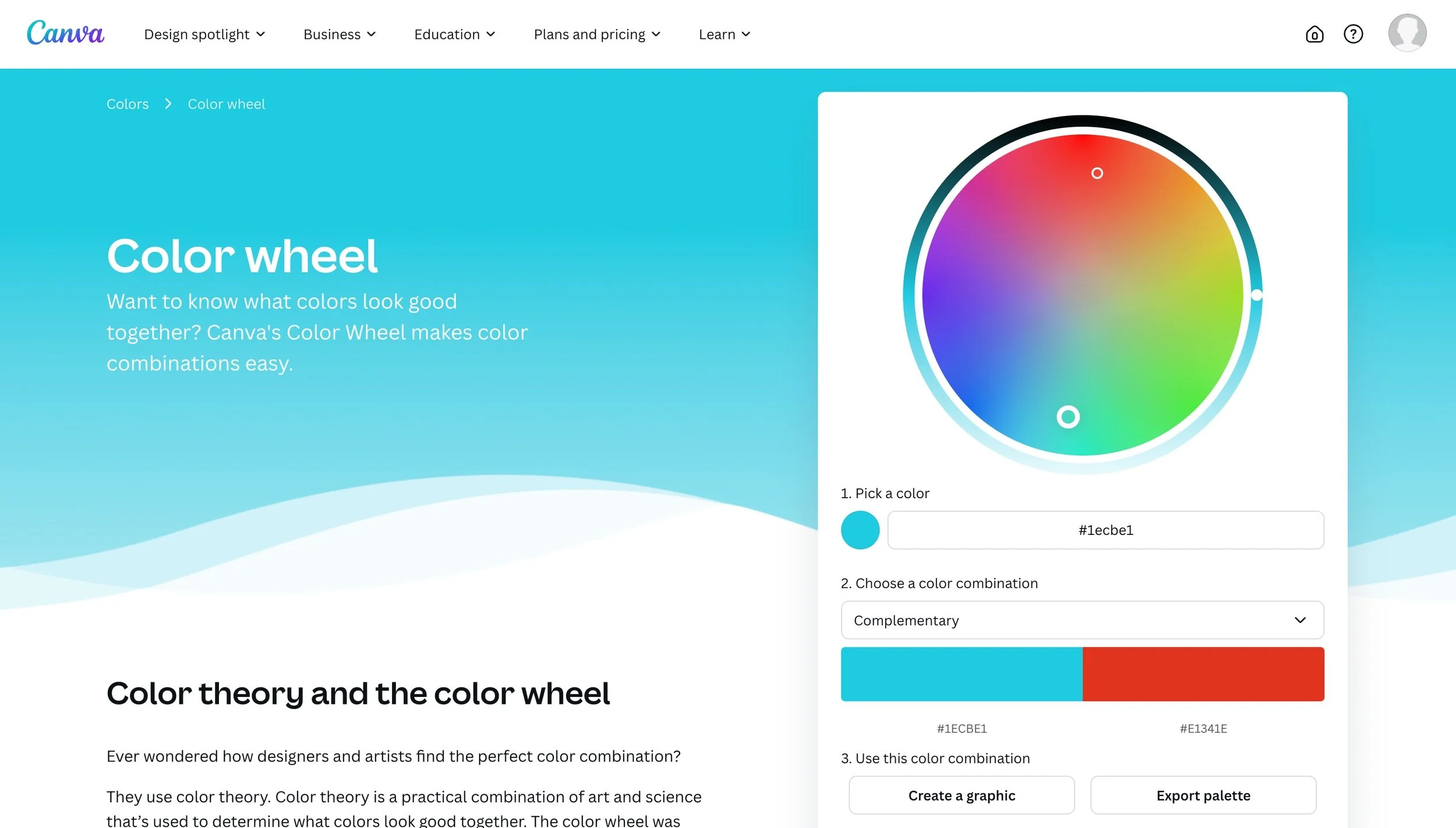
Canva’s Colour Wheel
HubSpot’s Website Grader
Canva’s Colour Wheel
This clever little tool is aimed at helping someone to determine the best colours for a new brand they may be deciding.
Ever so cleverly, it educates you about colour theory and the tool itself allows you to put a colour in and then presents suggestions.
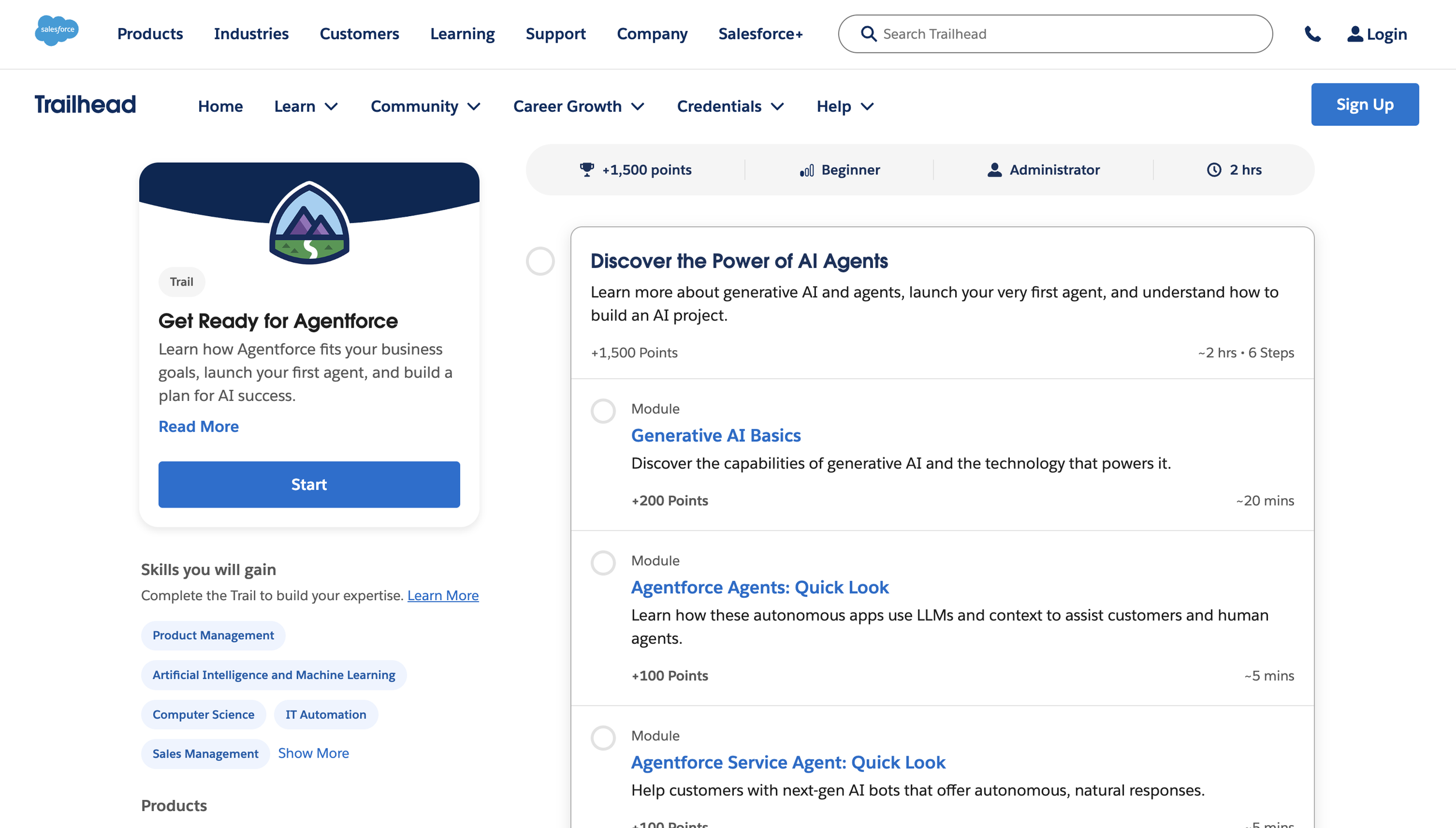
Salesforce - Trailhead online training
Salesforce, ya know, the CRM tool, offers visitors a suite of bitesize training courses. The fun part - you can win points to then go and open up new opportunities to learn.
Again, just like Canva, they are not promoting their services. Rather, they are making sure to build their reputation up around the AI agent space.
Thinking about creating a lead magnet? Here’s what to consider
What makes a good lead magnet?
It’s aligned to solving a problem: Show your audience you understand their issues and can help. Avoid generic, overly AI-generated, or sales-heavy content.
It’s valuable and educational: Don’t ask for an email address in exchange for boring information.
It provides high-level insights: Include use case examples, be open about competitors, and help prospects articulate their problem—but don’t sell.
Position downloads properly: Advise your sales team on where prospects are likely to be in the buying process and how to engage with them. It’ll stop your leads being returned and those awkward silences in the kitchen.
What are the steps for a lead magnet campaign?
Identify your target audience.
Pinpoint three problems your business can confidently address.
Choose one problem and create a lead magnet.
Integrate landing pages with your CRM to capture leads.
Plan your distribution strategy (website, LinkedIn, outreach).
Main assets for a lead magnet campaign:
For an organic campaign focused on a whitepaper:
Whitepaper (~10 pages)
Landing page with a form
Follow-up email with the whitepaper
Secondary follow-up email with content aligned to the buyer’s timeline
Advert imagery for the whitepaper
Distribution plan, including 2–3 blogs linking to the whitepaper
Summary
There you have it—the ultimate guide to ultimate guides (haha). Hopefully, this overview has given you an idea of what to expect when creating lead magnets to generate interest.
How I can help: You need to know what to write, how to write it, and how to set up your demand-gen marketing activities. I can help! Learn more about my services.
